
Shipping & quality / After the report
Failed SPC pre-shipment inspection: release, rework or reject?
Five options after a failed SPC pre-shipment inspection, a decision tree by defect class, and the PO clauses that decide who pays to re-inspect.
Short answer
A failed SPC pre-shipment inspection leaves five choices: release as is, release with a written concession, sort or rework and re-inspect, ship only the conforming part, or reject. Choose by defect class and spread. One confirmed critical finding, or majors spread across runs, means no shipment. Defects confined to one run can be sorted. Hold the balance until a passing re-inspection or a signed concession.
SGS reports a final random inspection as Conform, Not Conform or Subject to Client's Decision. Whatever the wording, the release decision stays with the buyer.
Acceptance sampling decides whether to accept a lot; NIST notes it does not estimate the lot's quality. Sort before you price a concession.
Where the CISG governs, Vietnam’s written-form declaration means a concession agreed in a chat message may not change the contract. Sign an amendment.
The report says FAIL and the vessel cut-off is a few days away. The factory will propose the option that costs it least, usually “ship and we will give you a discount”. This guide assumes the inspection itself was set up properly, with the defect classes from the checklist that defines what to inspect, and deals with the decision that follows.
What are your options after a failed SPC pre-shipment inspection?
There are five: release as is, release with a written concession, sort or rework and then re-inspect, ship the conforming part and hold the rest, or reject. Which one fits depends on the class of defect, how widely it is spread through the lot, and whether you have the evidence to defend the choice later.
The table sets each option against when we would use it and the evidence it needs before the container is loaded. No standard sets these choices; this is our method.
| Option | When it fits | Evidence before release |
|---|---|---|
| Release as is | Failure on a check you wrote too tightly, or on carton print only, and you accept the risk | Your written waiver naming the findings; report kept on file |
| Release with a concession | Minor, cosmetic defects; end use and installation unaffected | Sort count of affected cartons; signed amendment listing the defects it settles |
| Sort or rework, then re-inspect | Majors confined to one run, decor or pallet group | Sorting tally by pallet and run; re-inspection report on fresh random cartons |
| Partial shipment | Some decors or runs clean, one not; your PO allows partial shipments | Re-inspection or clean findings per decor; revised packing list |
| Reject or remake | Any confirmed critical finding; majors spread across runs | Report, retained boards, production records request, written notice |
Which option fits which failure?
Start with the class that failed, then the spread. A critical finding stops the shipment whatever the count. Majors over the reject number are a sorting question only when they sit in one run or decor. Minors alone over the limit leave room for a concession, provided they are cosmetic and do not affect installation. If you choose sorting or rework, someone has to supervise factory rework before re-inspection, or the second inspection meets the same boards again.
Read the report in that order. It should state the sampling plan (ISO 2859-1 or ANSI/ASQ Z1.4, the inspection level, the AQL per class), the accept and reject numbers, and the count found per class. SGS, for example, samples to ANSI/ASQ Z1.4 and labels a report Conform, Not Conform or Subject to Client’s Decision. The last verdict hands the decision to you; treat it as unresolved until you sign something.
Then look at the photos and carton list, not the summary line. NIST’s statistics handbook is plain about the limit of sampling: its purpose is to decide whether a lot is likely to be acceptable, not to estimate its quality. A count over the reject number tells you to reject the lot as presented. They do not tell you how many bad cartons the lot holds, which is why a concession priced off the sample is a guess.
Sorting is what the statistics books call rectifying inspection: every unit in the rejected lot is inspected and the defectives replaced. On SPC that means opening every carton of the affected run, which takes factory labour and days. Agree who does it, who watches it and how the rejected boards are marked before the factory starts.
Who pays for the re-inspection, and what goes in the PO?
No standard decides who pays for a second inspection. Your purchase order does, or nobody does and you argue about it under deadline. Write the cost of any re-inspection after a failure on the supplier, state the plan the re-inspection uses, and set a deadline after which you may cancel the affected quantity.
These are the clauses we would put in a PO for SPC. Each one turns an argument after the report into a decision taken before it.
| PO clause | What to write | What it settles after a FAIL |
|---|---|---|
| Sampling standard | ISO 2859-1:2026 or ANSI/ASQ Z1.4, inspection level, AQL per class | Nobody argues about the plan; ISO 2859-1 has a 2026 third edition, so name it |
| Defect classes | Your critical, major and minor lists, as annexes | Whether one finding stops the lot |
| Re-inspection cost | Charged to the supplier after a failed inspection, deducted from the balance if unpaid | Who pays, with no email thread |
| Re-inspection plan | Fresh random cartons from the whole lot or the sorted part; same or tighter plan | The factory cannot present only re-packed cartons |
| Sorting rules | 100% sort of affected runs, tally by pallet and run, rejects marked and kept apart | What “we sorted it” has to prove |
| Concession form | Only by signed amendment listing defects, quantity and price basis | Chat agreements do not bind |
| Release and balance | Balance due after a PASS report or signed concession | When money moves |
| Deadline | Remedy by a stated date, or you may cancel the affected quantity | How long the factory can keep trying |
| Retained samples | Boards from failed cartons sealed, signed by both sides, kept by you | Evidence for any later claim |
Re-inspecting the same goods should not be cheaper or looser than the first visit. Fresh cartons, drawn at random from the whole affected quantity, are the only way to tell whether the sort worked. Our pre-shipment inspection team re-inspects against the same written brief as the first visit.
When should you hold the balance payment?
Hold it from the moment the report says FAIL until one of two things exists: a passing re-inspection report on the agreed plan, or a concession you have signed. The balance is the only lever left once the goods are made. Pay it on a promise and every later step depends on goodwill.
The CISG, where it governs the contract, says the buyer is not bound to pay before having an opportunity to examine the goods, unless the agreed delivery or payment procedure is inconsistent with that. Most SPC payment terms are exactly such a procedure. That is why the release condition belongs in the PO in words: “balance due within N days of a PASS report or a signed concession”.
If the factory threatens to sell the goods elsewhere or charges storage while you wait, answer in writing with the report reference and the clause. Do not let a storage charge become the reason to release a lot that failed.
Can you accept the lot with a concession or discount?
Yes, for minor, cosmetic defects that do not affect installation or the warranty you sell. Not for critical findings and not for click or core defects, where the cost arrives after the floor is laid. A concession should follow a sort count, settle only the listed defects, and be signed by both sides as an amendment.
Where the CISG applies, Article 50 frames a price reduction as proportional: the value of the goods as delivered against the value conforming goods would have had. That is a useful discipline even outside the Convention. To apply it you need the affected quantity, which only a sort or a full count gives you, not the sample.
Two points of form. First, Vietnam acceded to the CISG in 2015 (in force 1 January 2017) with a declaration under articles 12 and 96: where one party has its place of business in Viet Nam, the Convention’s allowance for changing a contract by agreement in any form does not apply. A concession made in a messaging app may not change your contract. Second, a concession should say what it does not settle. Write that hidden defects not found by the inspection, such as a wear layer below the contracted minimum, are not waived.
Thailand and the United Kingdom are not CISG parties, so a contract with a Thai plant or a UK buyer may sit under a different law. Article 6 also lets the parties exclude the Convention. Your PO’s governing-law clause decides which applies.
What evidence should you keep after a failed inspection?
Keep everything that would let a third party rebuild the decision: the failed report with photos and carton numbers, retained boards from failed cartons, the golden sample, the sorting tally, the re-inspection report, and every agreement in signed form. Add the loading record. A claim made months later rests on this file.
- The original report and the re-inspection report, with their reference numbers linked.
- Boards from failed cartons, labelled with carton and pallet number, sealed and signed by both sides.
- The sorting tally: cartons opened, boards rejected, by run and pallet.
- Written notices and replies, in the order they were sent.
- Proof that the inspected goods are the loaded goods: loading photos and seal numbers tied to the inspected pallets.
Under the CISG, a buyer must give notice specifying the nature of a non-conformity within a reasonable time after discovering it, and loses the right to rely on it after two years from handover unless a contractual guarantee says otherwise. A dated file makes that notice specific.
How would a split decision work? A worked example
Illustrative figures only, not market data. An importer orders 4,000 cartons across four decors, 700 of them in decor C. The report comes back Not Conform: 13 majors, two over the reject number of 11 in the agreed plan (200 cartons sampled, the plan in our checklist table). No critical findings; wear layer and board weight within specification. Vessel cut-off in seven days.
The carton list shows 11 of the 13 majors in decor C, all from its second production run: ledging above the limit and gloss off the master board. The other three decors account for two majors between them.
The importer does four things. It refuses the factory’s offer to ship everything at a discount, because ledging is an installation defect. It invokes the PO clause: the factory sorts every carton of decor C’s second run, marks rejects and remakes them, and pays for a re-inspection of decor C on fresh random cartons. It asks whether the three clean decors can sail on the planned vessel; the PO allows partial shipment, so they do, with a revised packing list. The balance for decor C stays unpaid.
The sort finds 90 cartons with rejected boards (illustrative). The remake and re-inspection pass, and decor C ships one vessel later. The file holds both reports, the tally, sealed boards from the failed cartons and the signed amendment that moved decor C to the later sailing.
Our view
A failed report is the cheapest point at which to find a problem, and the PO written months earlier decides most of what handling it costs. We would settle re-inspection cost, sorting rules, the balance trigger and the concession form before production. The decision after a FAIL then becomes a reading of the contract, made calmly.
When it fails, we read class first, spread second, deadline last. A critical finding is not traded. Majors in one run are sorted and checked by someone other than the factory. A discount is reserved for cosmetic minors, priced from a count, and signed. For the rest of the quality chain around this decision, see our shipping and quality guides.
Common mistakes after a failed inspection
Most expensive outcomes after a FAIL come from speed: a discount agreed before anyone counts, a concession that waives too much, a balance paid on a promise. The table lists the mistakes we would check for, what each costs the buyer and how to avoid it.
| Mistake | What it costs | How to avoid it |
|---|---|---|
| Accepting a discount priced from the sample | The defect rate in the lot is unknown; the discount may cover a fraction of it | Sort first, price the concession from the count |
| Agreeing the concession in a chat thread | It may not change the contract; the factory can deny the scope later | Signed amendment listing defects, quantity and price basis |
| Letting the factory choose the re-inspection cartons | The re-inspection checks the sorted best, not the lot | Fresh random cartons from the whole affected quantity |
| Paying the balance on the promise of a sort | No lever left if the re-inspection fails | Balance after a PASS report or signed concession |
| Waiving “all defects” in the concession | Hidden failures found after installation are settled too | Name the defects settled; exclude hidden ones expressly |
| Discarding the failed boards | A later claim becomes your word against the factory’s | Seal, label and keep boards from failed cartons |
Questions buyers ask
Can the factory sort the lot without a second inspection?
It can, but then you are relying on the people who produced the defect to find it. Ask for the sorting tally by pallet and run, then re-inspect at least the sorted part. A sort with no independent check is only a promise.
What if the re-inspection fails as well?
Treat a second failure as a process problem. Stop sorting, ask for the production records of the affected runs, and decide between a remake and rejection. A third inspection of the same goods rarely changes the answer.
Can I ship now and take a credit on the next order?
You can, but a credit against a future order is only worth something if there is a future order and the factory honours it. If you agree to it, put the amount basis, the order it applies to and the defects it settles in the signed amendment.
Can the same inspector carry out the re-inspection?
Usually yes, and it helps: the inspector knows the brief and the earlier findings. Ask for fresh random cartons, not the ones the factory set aside after sorting, and for the report to reference the first report number.
What happens if the factory ships without my release?
Then the goods have left without the condition you agreed, which is a contract breach to document at once. Keep the failed report, your written refusal and the booking evidence, and take advice under the law that governs the contract.
Sources & further reading
- ISO 2859-1:2026, Sampling schemes indexed by acceptance quality limit (AQL) for lot-by-lot inspection (Edition 3, January 2026)
- SGS: Final Random Inspection, AQL sampling to ANSI/ASQ Z1.4 and report verdicts (read November 2026)
- NIST/SEMATECH e-Handbook of Statistical Methods, sections 6.2.1 and 6.2.2: acceptance sampling
- UNCITRAL: United Nations Convention on Contracts for the International Sale of Goods (CISG), official text
- UNCITRAL: CISG status table, Viet Nam declaration under articles 12 and 96 (read November 2026)
Authorship, affiliations & disclosure
Prepared from the standards, inspection-body and UNCITRAL sources listed, read on 10 November 2026. The worked example is illustrative. This is purchasing guidance, not legal advice; have contract wording reviewed under the law that governs your order.
Corrections & editorial informationContinue exploring.
All guides in Shipping & qualitySPC bevel defects: names, causes and where to check
A painted SPC bevel is milled into the core, then lacquered. Name each bevel defect, tell it apart from a click fault and check it on assembled boards.
Read the guideSPC flooring defective container claim: evidence, notice and insurance
Transit damage goes to the carrier or insurer, factory defects to the seller. The evidence file, CISG notice rules and what CIF cover leaves out.
Read the guide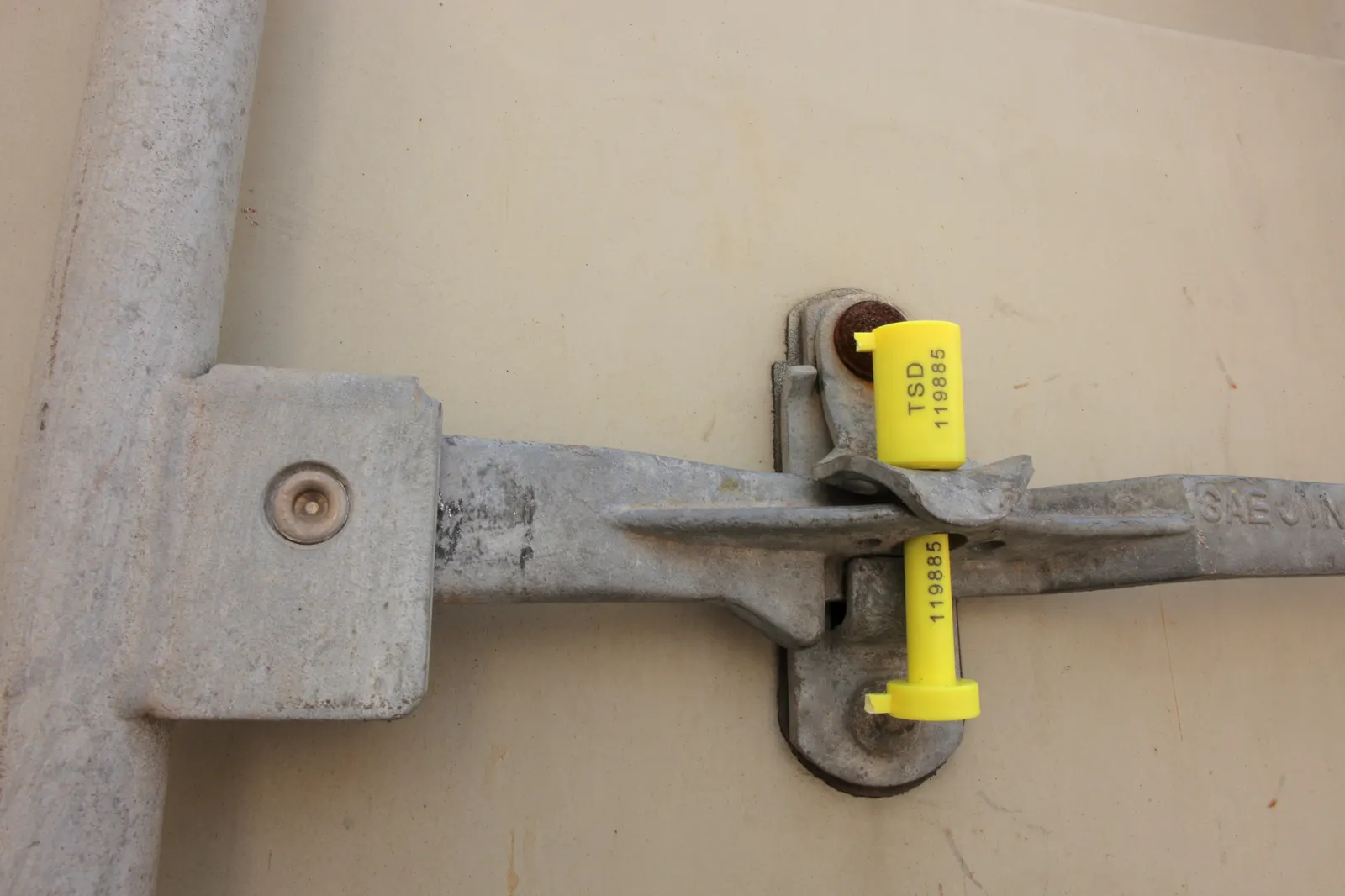
SPC container loading inspection photos: what to ask for
A 12-shot list for SPC loading photos, from empty box to seal, each tied to the bill of lading or packing list. Built on the IMO CTU Code.
Read the guide